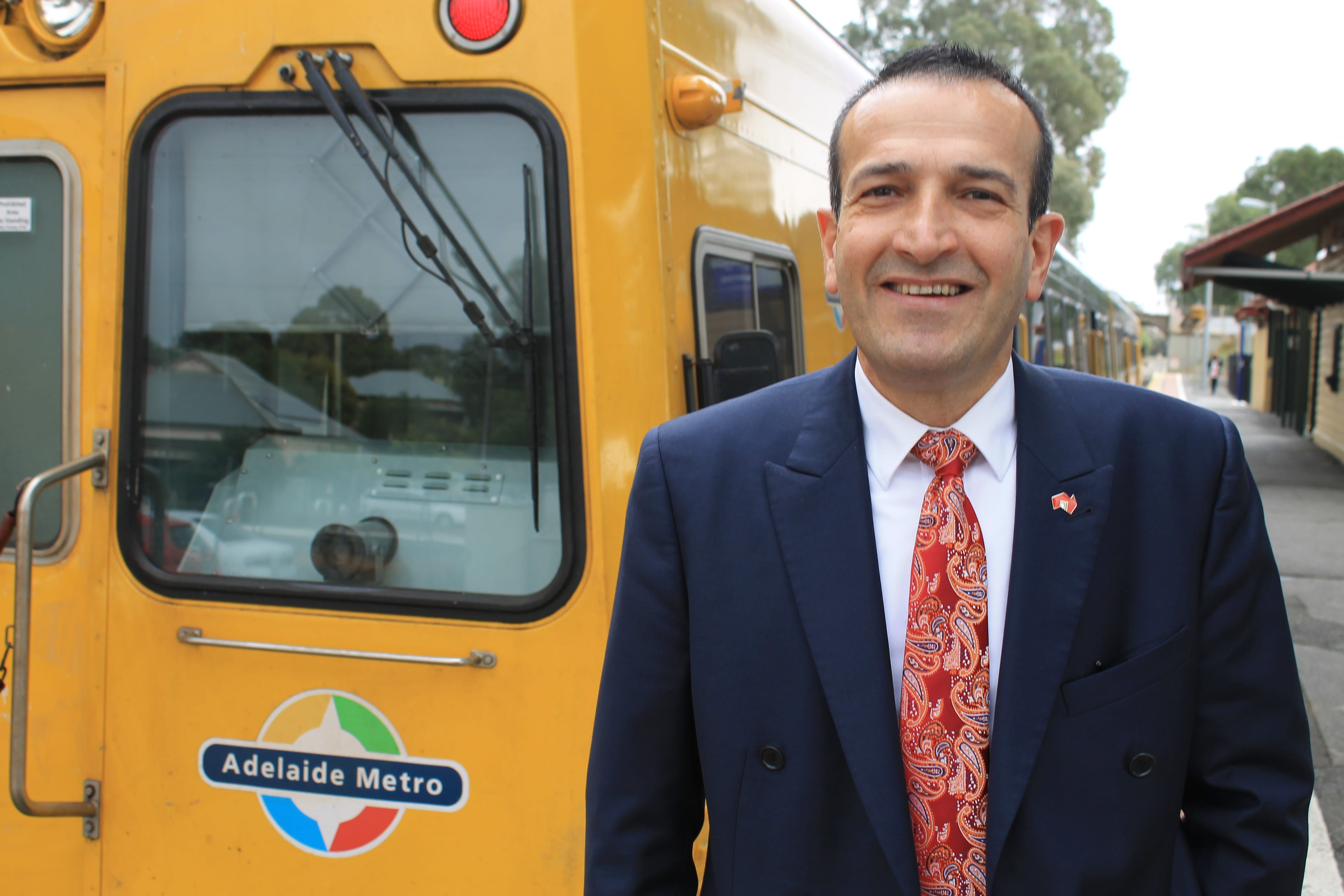
The full electrification of the Gawler Rail Line is back on track with the State Government committing to its share of the cost in the 2017-18 State Budget handed down last week
The project requires matching funding from the Federal Government to guarantee the project going ahead.
Stage 1 of the Gawler Electrification is being fully funded by the State Government at a cost of $152.5 million and will involve electrifying the rail line to Salisbury.
Stage 1 will support approximately 135 jobs per year during construction.
Local Member of Parliament, Tony Piccolo stated that this was a massive investment in rail for Gawler and the people of the Light electorate.
“I was disappointed when the electrification of the line was stalled when the Abbott Government withdrew their funding for the project in 2013,” Mr Piccolo said.
“I have continued to fight for this project to be funded and for other improvements to our public transport network.
“The electrification of the Gawler rail line is a shovel ready project that will have an immediate and tremendous impact on our local economy,” he said.
Treasurer Tom Koutsantonis has written to Federal Treasurer Scott Morrison asking the Federal Government to provide its share of the funding for Stage 2 of the vital infrastructure project.
The State Budget allocates $462.5 million for Stage 2 with South Australia seeking a 50/50 funding commitment from the Turnbull Government.
The electrification of the Gawler line will significantly increase capacity and deliver a faster, cleaner and more reliable service for the residents of the Light electorate.
In addition to the State Government’s commitment to the electrification of the Gawler rail line, the State Budget has committed an additional $22 million to services across the rail network.
This will see an increase in train frequency on all lines including the Gawler rail line.
Mr Koutsantonis stated that the benefits of investing in public transport flow right through the economy, reducing travel times for commuters, easing traffic congestion in the city, and creating jobs for South Australians during construction, upgrades and maintenance.